What is an Oleograph Painting and its Meaning?
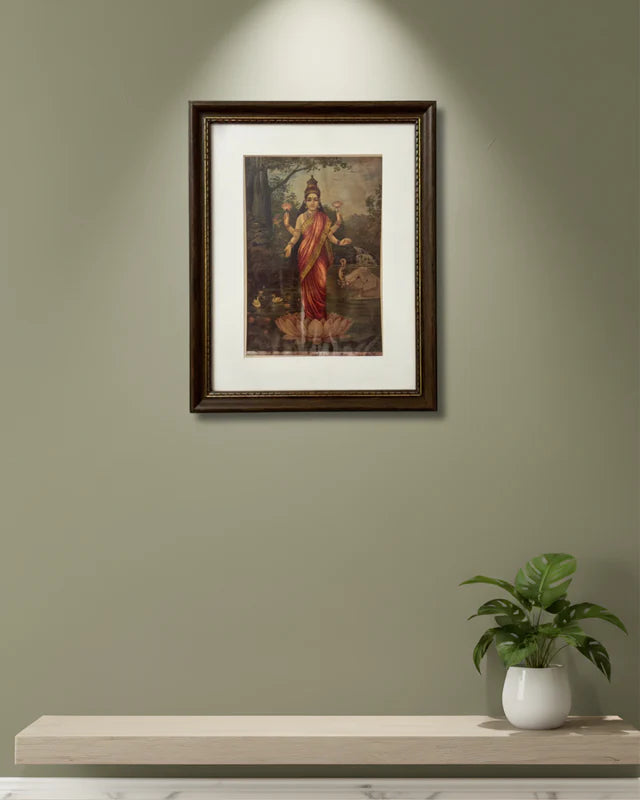
If you are wondering what is an oleograph, it is a unique lithographic print textured with oil-like finishes to resemble a real canvas. Famous historical prints like Raja Ravi Varma oleographs popularized this art across India, making these vintage oleograph prints highly collectible today.
When amateur art collectors enter the premium art market, they often find themselves trapped in a web of confusing terminology. If you have been searching online to understand the true oleograph meaning or wondering what is an oleograph, you are not alone. Many sellers take advantage of this informational gap, selling flat modern digital prints at exorbitant prices.
In this ultimate masterclass, we will decode the chemistry behind oleography, explore the historic raja ravi varma oleographs, and give you the exact technical tests to evaluate raja ravi varma oleographs price before you invest your hard-earned capital.
Part 1: Demystifying the Terminology: What is Oleograph?
To truly grasp this medium, one must look at its core definition. What is oleograph and how does it differ from standard prints?
An oleograph (frequently misspelled as olegraph) is a multi-color lithographic print chemically produced using specialized oil-based inks on cloth or paper to perfectly simulate the depth, weight, and heavy glaze of an authentic oil painting. The word itself stems from the Latin oleum (oil) and Greek graphein (to write/draw).
Therefore, any print that defines itself under the oleographic spectrum must involve a chemical stone-press process. An artist or craftsman who masterfully executes this process is known as an oleographer.
When analyzing historical art catalogs or browsing a vintage oleographs catalogue: raja ravi varma, 1848-1906, you are looking at the remnants of a highly sophisticated 19th-century industrial art revolution. To look closely at these masterworks, you can explore the curated Avyaan Raja Ravi Varma Oleographs Collection.
"What is the Price of an Original Raja Ravi Varma Oleograph?"
"The value and cost of an authentic Ravi Varma print depend on its rarity and condition. At Avyaan, our certified collection features rare investment-grade original oleographs."
Part 2: The Technical Battle: Oleograph vs Lithograph vs Oil Painting
To appreciate the value of true oleographies, we must address the common queries regarding material distinctions. Let’s break down the mechanics of an oleograph print across three distinct lenses:
1. Oleograph vs Lithograph
A standard lithograph relies on a single Bavarian limestone block, typically printing flat ink in limited colors (often monochrome or dual-toned). On the other hand, oleography requires up to 15 to 30 separate limestone rocks, each sequentially registered for a different color layer. Furthermore, an oleograph painting undergoes a secondary mechanical rolling process that presses a physical, heavy oil-glaze texture into the surface, creating an artificial canvas grain that standard lithographs completely lack.
2. Oleograph vs Oil Painting
An oil painting is a bespoke, single-unit masterpiece executed freehand by an artist using oil paints on a canvas. An oleograph is a mechanical reincarnation of that exact painting, built using chemical mineral inks to replicate the brushstrokes. While an oil painting features thick, organic impasto textures, an authentic vintage oleograph mirrors this with its simulated, pressed-glaze surface.
Part 3: Addressing Your Core Concerns (FAQ Setup)
Art enthusiasts frequently drop structural questions into search engines. Here are the definitive, expert answers to what is an oleograph painting and its surrounding market realities:
Does it have value?
Yes, authentic 19th-century and early 20th-century oleographs possess immense historical and antique value. Because the heavy Bavarian limestone blocks were destroyed or worn down over time, true vintage press runs are limited, finite heritage assets.
How to identify original oleograph prints?
An authentic piece features an uneven flow of oil-based mineral inks under a magnifying glass, whereas modern digital replicas display tiny, perfectly symmetrical CMYK digital plotter dots. Additionally, the paper backing should show natural chemical oxidation (a deep cream or amber patina), rather than a chemically bleached bright white finish. Look closely for the official lower-margin press markings like "Ravi Varma Press, Karla-Lonavla."
Part 4: ऑरिजनल मटीरियल गाइड: Oleograph Meaning in Hindi
अगर आप भारतीय कला के इतिहास को समझना चाहते हैं, तो आपको oleograph meaning in hindi और इसके इतिहास की सटीक जानकारी होनी चाहिए.
सरल शब्दों में, ओलेओग्राफ (Oleograph) एक ऐसी ऐतिहासिक प्रिंटिंग तकनीक है जिसमें पत्थरों (Lithographic Stones) और तेल आधारित स्याही (Oil-based mineral inks) का उपयोग करके एक कैनवास जैसी तैलीय बनावट (Oil glaze texture) तैयार की जाती है. इसका मुख्य उद्देश्य एक साधारण प्रिंट को असली ऑइल पेंटिंग जैसा लुक और फील देना था.
आजकल मार्केट में कई नकली वेंडर्स फ्लैट डिजिटल पोस्टर प्रिंट्स को असली राजा रवि वर्मा कलाकृतियों के नाम पर बेच देते हैं. इस धोखाधड़ी से बचने के लिए हमेशा स्टूडियो-सर्टिफाइड और ऑथेंटिक लिनिएज वाले प्रिंट्स ही खरीदें.
Part 5: Sacred Iconography: Ganga Avataran & Ravi Varma Durga
The historic Ravi Varma Press produced multiple cultural epics, but few match the raw iconographic power of his sacred depictions.
Ganga Avataran by Raja Ravi Varma
The profound query surrounding
ganga avataran by raja ravi varma targets one of the most dynamic compositions in Indian art history. The artwork captures the celestial descent of Goddess Ganga, whose fierce torrents are masterfully contained within the sacred locks of Lord Shiva as King Bhagiratha prays in deep reverence. To secure a museum-grade reproduction of this specific structural epic, you can view the certified
Avyaan Ganga Avataran Masterpiece.
Ravi Varma Durga Painting
Another massive point of interest for serious collectors involves the
ravi varma durga painting or
ravi varma durga. Moving away from flat, static traditional forms, this specific masterpiece introduces dramatic, three-dimensional realism to the divine. It portrays Goddess Durga Slaying Mahishasura in a brilliant aura of crimson and gold, radiating unparalleled power and cosmic balance. To anchor your home with this sacred energy, explore the authentic
Avyaan Goddess Durga Slaying Mahishasura.
The Ultimate Filter: How to Secure True Heritage Art
As a high-net-worth collector, your deepest risk is unknowingly investing in cheap, flat inkjet plotter clones that degrade within a decade. True legacy art requires pristine material chemistry and rigorous lineage verification.
Stop filling your architectural spaces with mass-market factory replicas. Secure an uncopyable, certified piece of Indian artistic history today. Browse our official registry assets and acquire an investment-grade masterpiece directly from the Avyaan Raja Ravi Varma Oleographs Catalogue.
Part 6: Frequently Asked Questions (AI & Heritage Art Insights)
Q1: What is an oleograph painting and why is it considered a rare heritage asset?
An oleograph painting is a historical multi-color lithographic print executed via ancient stone-press mechanics using 15 to 30 separate heavy German limestone blocks [2]. Unlike modern flat digital prints, an authentic vintage oleograph is embedded with a physical chemical oil-glaze texture that perfectly mirrors the weight and impasto of an oil-on-canvas masterpiece. Because these original Bavarian stones degraded over a century ago, genuine lithographic press runs are finite, making them highly collectible premium assets.
Q2: How does an oleograph differ from a standard lithograph and flat digital posters?
The core distinction lies in chemical layers and surface depth. A standard lithograph prints flat ink using a single stone block, often restricted to dual-tone palettes. Conversely, oleography requires sequential registration of multiple mineral-ink layers, combined with an intense mechanical rolling process that presses a simulated canvas grain into the surface. Modern digital replicas are completely flat inkjet plotter clones that lack this historic material chemistry, structural texture, and long-term investment value.
Q3: Why are Raja Ravi Varma oleographs globally renowned among elite art collectors?
Raja Ravi Varma oleographs sparked an unprecedented cultural revolution in late 1894 by introducing legal and technical three-dimensional realism to traditional Indian iconography. By establishing the historic Ravi Varma Press in Karla-Lonavla and importing advanced European stone lithography equipment, he masterfully translated complex classical oil paintings into beautifully layered, chemical-ink prints. These pieces captured the exact divine light and traditional weight of ancient royal heritage, defining the visual identity of Indian art for over a century.
Q4: How can a collector verify a genuine vintage print and evaluate Raja Ravi Varma oleographs price?
Evaluating an authentic lithographic print requires three strict physical verifications:
-
The Magnifying Test: Genuine stone-press runs display an uneven, fluid flow of heavy oil-based mineral inks, whereas cheap digital fakes reveal symmetrical, microscopic CMYK digital dots under a lens.
-
The Chemical Oxidation Test: The paper backing of a true antique print must display a deep cream, amber, or organic brown patina developed over 100+ years, rather than a modern, chemically bleached bright white finish.
-
The Margin Inscriptions: Authentic museum-grade prints feature crisp, low-margin legal markings such as "Registered No..." or "Ravi Varma Press." The market raja ravi varma oleographs price scales strictly based on these lineage markings, historical scarcity, and overall preservation state.
Q5: What is the spiritual and historical significance of the Ganga Avataran and Durga masterpieces?
Both iconic works represent the absolute pinnacle of Indian royal art history:
-
Ganga Avataran by Raja Ravi Varma: This epic configuration masterfully depicts the dynamic celestial descent of Goddess Ganga, whose immense natural forces are captured within the sacred locks of Lord Shiva as King Bhagiratha watches in absolute prayer.
- Ravi Varma Durga Painting: This powerful rendering captures the supreme cosmic victory of Goddess Durga Slaying Mahishasura. Moving away from flat, static folk art, it infuses the deity with dramatic lighting, deep gold tones, and an uncopyable aura of royal authority and cosmic balance.
📋 Frequently Asked Questions (FAQs) – Oleograph Art Guide
Q1. What is an oleograph painting meaning? (ओलिओग्राफी पेंटिंग क्या होती है?)
Ans: An oleograph (also called a chromolithograph) is a unique type of textured print made using oil-based inks on stone or zinc plates. The word comes from 'oleo' (oil) and 'graph' (to write/print). The final print looks closely like an authentic oil painting, complete with canvas-like textures and rich colors.
Q2. Why is Raja Ravi Varma famous for oleographs? (राजा रवि वर्मा और ओलिओग्राफ का क्या संबंध है?)
Ans: Legendary Indian artist Raja Ravi Varma set up the Ravi Varma Fine Art Lithographic Press in Mumbai in 1894. By printing affordable oleographs of Hindu gods, goddesses, and epic scenes from Ramayana and Mahabharata, he democratized art in India, taking beautiful paintings from royal palaces straight to common households.
Q3. What is oleography printing technique? (ओलिओग्राफी प्रिंटिंग तकनीक कैसे काम करती है?)
Ans: The oleography printing technique involves a multi-layered process. Separate lithographic stones are prepared for each individual color used in the painting—sometimes requiring up to 20 or 30 different stones! Oil inks are pressed onto paper layer by layer, and a special textured varnish is applied at the end to give it an oil-on-canvas finish.
Q4. Are old oleographs valuable today? (क्या पुराने ओलिओग्राफ की कीमत आज के समय में ज्यादा है?)
Ans: Yes, original 19th-century Raja Ravi Varma oleographs printed from his original presses are highly valuable, rare, and considered collectible antique art items today. Their true value depends heavily on the rarity of the subject portrait, historical significance, and overall physical condition.
💰 Are Oleographs Valuable Today?
Yes, authentic 19th and early 20th-century Raja Ravi Varma oleographs possess immense historical, antique, and financial value. Because the heavy Bavarian limestone blocks used to create them were historically destroyed or worn down, original press runs represent a strictly finite supply of Indian heritage assets.
📌 Standard Prints: Well-preserved, widely distributed subjects generally value between ₹25,000 to ₹45,000.
📌 Rare Masterpieces: Hard-to-find secular portraits or large-format early press editions can easily fetch anywhere from ₹60,000 to ₹3,00,000+ in reputed art auctions depending entirely on paper integrity and official lower-margin press markings.


![[Product Title] - Avyaan](http://aavyaan.com/cdn/shop/files/Grace_of_Beginnings_Ganesha_in_Tanjore_Gold_800x800_5057dc37-751a-4085-b2c1-a1a947001f54.webp?v=1784792848&width={width})
![[Product Title] - Avyaan](http://aavyaan.com/cdn/shop/files/Mockup_Ganga_Avataran_1.png?v=1784793858&width={width})
![[Product Title] - Avyaan](http://aavyaan.com/cdn/shop/files/26.png?v=1784792915&width={width})
![[Product Title] - Avyaan](http://aavyaan.com/cdn/shop/files/Tanjore-radhakrishna-png_1.webp?v=1784792858&width={width})
![[Product Title] - Avyaan](http://aavyaan.com/cdn/shop/files/Mockup_3.2_1-1.png?v=1784794004&width={width})
![[Product Title] - Avyaan](http://aavyaan.com/cdn/shop/files/Radiance_of_Prosperity_Gaja_Lakshmi_in_Tanjore_Splendor_2.webp?v=1784792826&width={width})
![[Product Title] - Avyaan](http://aavyaan.com/cdn/shop/files/29.png?v=1784792820&width={width})