Cart
0
You may also like
![[Product Title] - Avyaan](http://aavyaan.com/cdn/shop/files/Grace_of_Beginnings_Ganesha_in_Tanjore_Gold_800x800_5057dc37-751a-4085-b2c1-a1a947001f54.webp?v=1784792848&width={width})
Ganesha Tanjore Painting with Pure 22k Gold Foil
Regular price
Rs.7,211.40
Rs.11,200.00
Sale price
+ Add to Cart
![[Product Title] - Avyaan](http://aavyaan.com/cdn/shop/files/Mockup_Ganga_Avataran_1.png?v=1784793858&width={width})
Ganga Avataran Painting by Raja Ravi Varma (Original Oleograph)
Regular price
Rs.63,000.00
+ Add to Cart
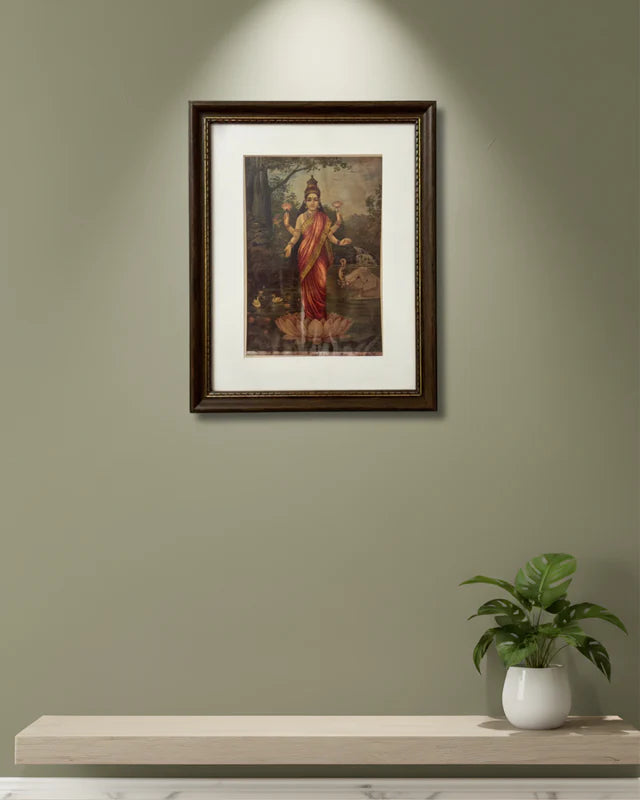
Goddess Lakshmi Original Oleograph Painting by Raja Ravi Varma
Regular price
Rs.63,000.00
Rs.141,820.00
Sale price
+ Add to Cart
![[Product Title] - Avyaan](http://aavyaan.com/cdn/shop/files/26.png?v=1784792915&width={width})
Kamadhenu, also known as Surabhi in Pichwai Painting by Diwakar Sharma
Regular price
Rs.33,038.60
Rs.42,700.00
Sale price
+ Add to Cart
![[Product Title] - Avyaan](http://aavyaan.com/cdn/shop/files/Tanjore-radhakrishna-png_1.webp?v=1784792858&width={width})
Divine Melody: Krishna & Rukmini in Tanjore by Sarvanan
Regular price
Rs.12,595.80
Rs.21,280.00
Sale price
+ Add to Cart
![[Product Title] - Avyaan](http://aavyaan.com/cdn/shop/files/Mockup_3.2_1-1.png?v=1784794004&width={width})
Krishna's Sacred Grove in Bloom in Pichwai Painting by Diwakar Sharma
Regular price
Rs.33,038.60
Rs.42,700.00
Sale price
+ Add to Cart
![[Product Title] - Avyaan](http://aavyaan.com/cdn/shop/files/Radiance_of_Prosperity_Gaja_Lakshmi_in_Tanjore_Splendor_2.webp?v=1784792826&width={width})
Radiance of Prosperity: Gaja Lakshmi in Tanjore by Sarvanan
Regular price
Rs.12,595.80
Rs.21,280.00
Sale price
+ Add to Cart
![[Product Title] - Avyaan](http://aavyaan.com/cdn/shop/files/29.png?v=1784792820&width={width})
Lotus Symphony with Sacred Swans in Pichwai Painting by Diwakar Sharma
Regular price
Rs.33,038.60
Rs.42,700.00
Sale price
+ Add to Cart