index
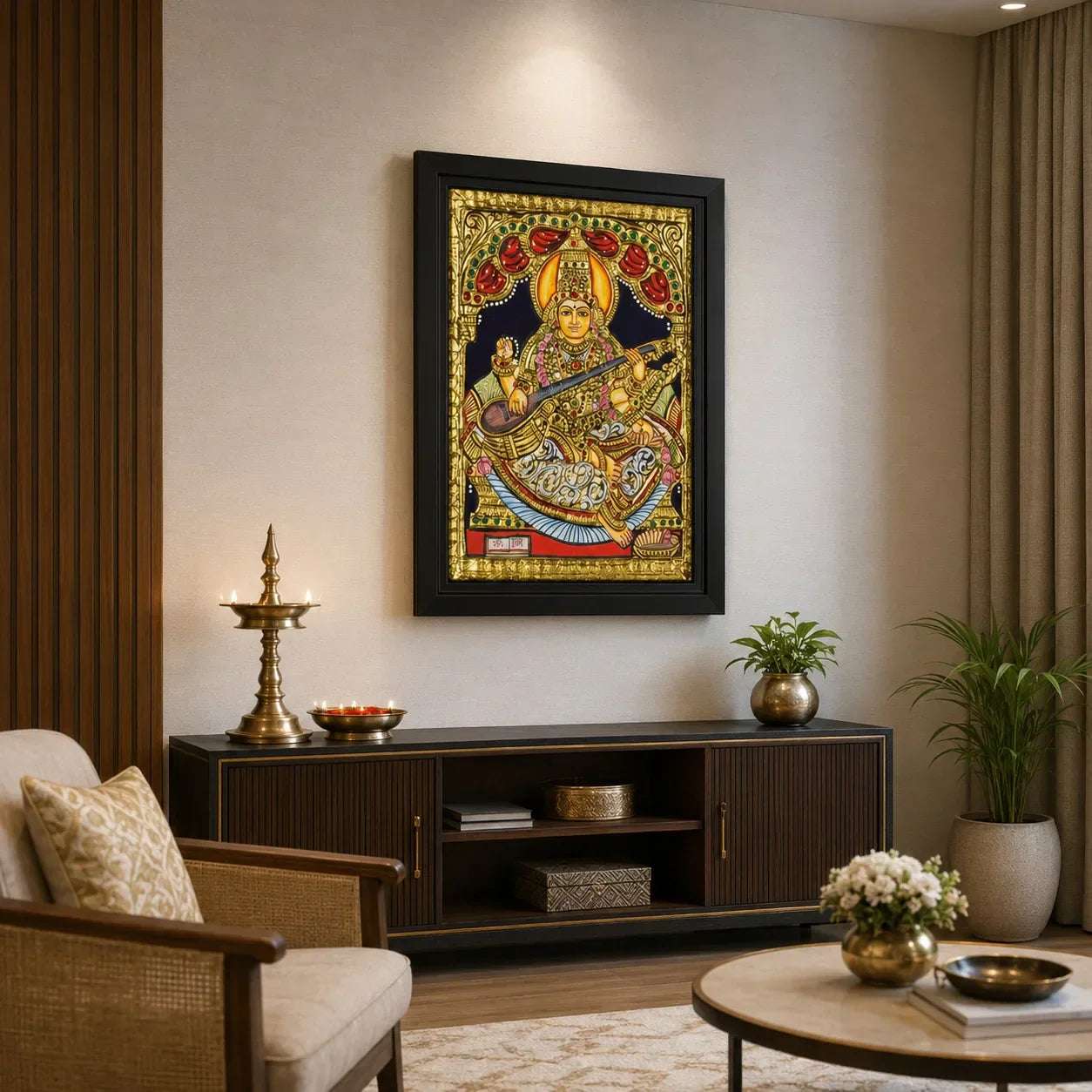
The geographic landscape of Tamil Nadu is defined by its massive stone temples, but it is the intricate details carved into these structures that tell the true story of India's golden heritage. The iconic thanjavur temple sculptures carved during the Chola dynasty represent the highest standards of medieval iconography. These stone carvings are not mere decorations; they are the geometric blueprints that directly inspired the postures, crowns, and jewelry layout found in modern gold-leaf Tanjore paintings.

For collectors and art history lovers, exploring the visual dictionary of thanjavur sculptures provides a deeper appreciation of South Indian devotional art. In this comprehensive guide, we analyze the sacred deities, royal motifs, and ancient artistic traditions frozen in stone across Thanjavur's grand shrines.

"Every stroke of gesso relief and every sheet of 22k gold applied by a modern Tanjore artist is a continuation of the same visual vocabulary carved into the granite shrines of Thanjavur over a millennium ago."

🗿 The Divine Pantheon: Iconic Stone Deities

The walls and niches of Chola shrines contain a vast array of granite and bronze figures crafted according to strict scripture standards:

  • Dancing Shiva (Nataraja & Cosmic Forms): The Chola sculptors perfected the anatomy of movement. The carvings of Lord Shiva in various cosmic dance postures (Karanas) established the dynamic physical symmetry later adapted onto wooden canvas boards.
  • Dwarapalas (The Temple Guardians): Standing at the entrances of the inner sanctum, these massive, muscular guards lean on heavy maces (Gadas). Their aggressive relief structure inspired the raised architectural framing seen in classical artwork arches.
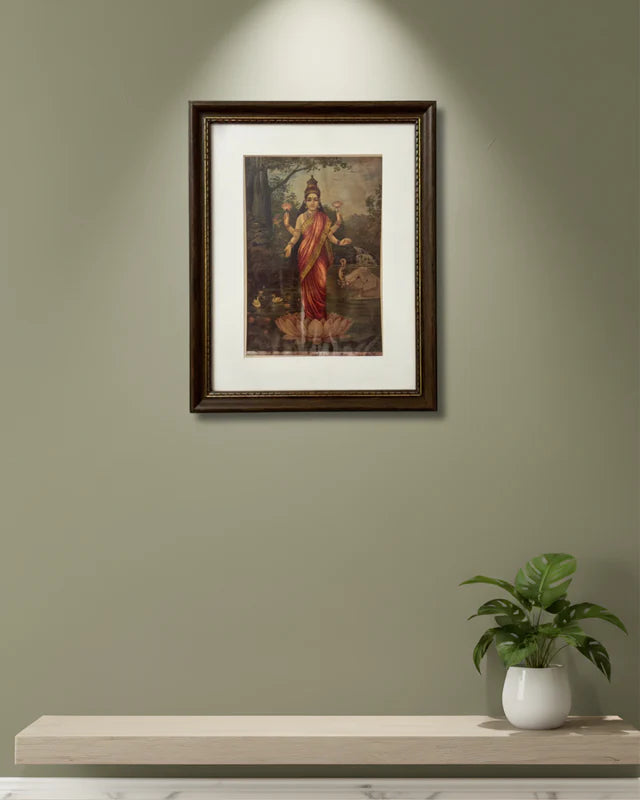
  • Goddess Lakshmi & Ganesha: Portrayed with soft, rounded body contours and serene facial expressions, these stone templates established the comforting aesthetic of the deities worshiped in personal shrines today.

✨ Sacred Motifs: From Bas-Relief to Gold Leaf Relief

Many of the detailed border patterns seen on the edges of premium gold-foil panel arts were inherited straight from the base-relief work of thanjavur temple sculptures:

  • The Yazhi (Mythical Creature): Part lion, part elephant, and part horse, this protective creature is carved extensively on temple pillars. It is a dominant decorative motif used on the sides of traditional Tanjore painting archways (Prabhavalis).
  • The Makara (The Lotus Arch Guardian): Often carved at the apex of stone arches, this mythical sea creature symbolizes the origin of life and serves as a protective border element in luxury frames.
  • The Kirtimukha (The Face of Glory): Positioned at the absolute peak of temple gateways to ward off evil eyes, this crown-like motif is heavily Piper-sculpted in gold work above the main deity in panel art.

📜 The Unbroken Living Art Tradition

What makes the study of thanjavur sculptures truly fascinating is that it is not a dead museum culture. The spatial geometry, hand gestures (Mudras), weapons, and crown placements (Kiritams) carved into the granite walls of Thanjavur are exactly the same guidelines utilized by high-grade handmade Tanjore panel artists today. By bringing an authentic gold-leaf painting into your home temple, you are enshrining a thousand-year-old stone lineage preserved meticulously on wood.

Frequently Asked Questions

Q1: What materials were used for Thanjavur temple sculptures?
The primary structural sculptures inside the Chola shrines were carved out of highly durable granite stone, while ceremonial processional deities were cast using premium panchaloha (five-metal) bronze alloys.
Q2: What is the 'Yazhi' motif found in Thanjavur sculptures?
The Yazhi is a mythical creature combining features of a lion, an elephant, and a horse. It represents immense cosmic power and protection, carved on temple pillars and adapted onto the arches of Tanjore paintings.
Q3: How did stone carvings influence modern gold-leaf art?
The stone carvings provided the strict iconographical rules (Shilpa Shastras) for body postures, decorative ornaments, and temple arch designs. Tanjore painters adapted these exact architectural elements into hand-piped 3D gesso and 22k gold work.

Leave a comment

Your email address will not be published. Required fields are marked *

Please note, comments must be approved before they are published

Chat with Avyaan on WhatsApp